The planet is getting hotter

URBAN SHADE PROJECT

The planet is getting warmer and it is felt most intensely in urban areas with impervious surfaces and more frequently by communities of color and those with economic instability.

In Spokane there are many critical areas of public use that are uncovered and leave people vulnerable during the hottest days of the year. Think bus stops, farmers market and outdoor spaces lacking any tree canopy. The latter typically exist in low-income neighborhoods and communities of color that already bear the brunt of environmental pollutants such as car emissions, and that have the fewest resources to adapt to a changing climate, such as in-home cooling.

Urban Shade intends to address that disparity through the creative reuse of textile waste in collaboration with community input to tell real life climate impact stories. 

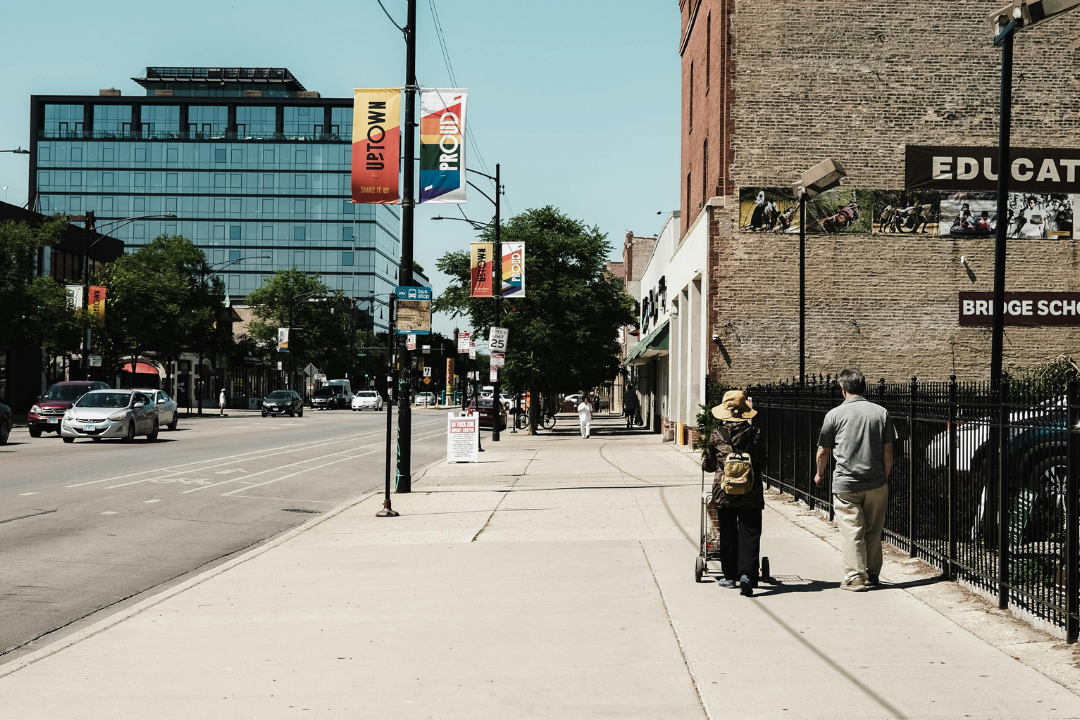
Imagine walking down Division Street in July.  It’s 90+ degrees, the sun is beating down and the air is as still as a mountain.You're surrounded by nothing but blacktop and buildings, all absorbing and radiating the heat of the day. You're sweating and uncomfortable and just need a place to cool off and rest before continuing to your destination. 

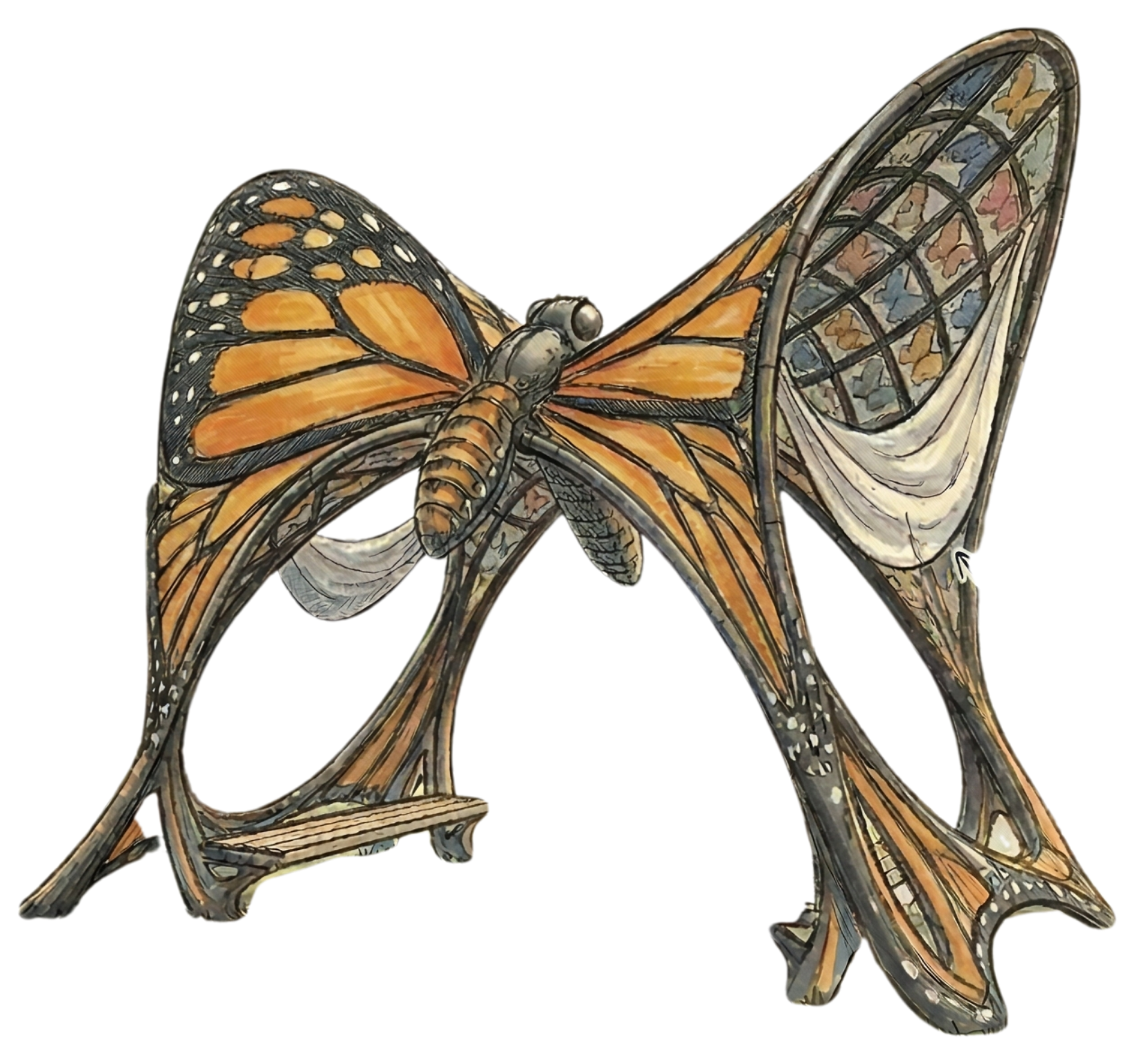
Up ahead you spot a colorful structure, under which you see dappled light. You head towards it and as you get closer you see butterflies, hundreds of colorful butterflies, hanging together to form shade. It’s the oasis you were seeking.  Underneath this  canopy of butterflies it’s cooler, the intensity of the sun is broken, you can breathe a little easier and cool down.

This project draws on data from the Beat the Heat study produced by the Gonzaga Institute for Climate, Water and the Environment that identified specific communities in Spokane as “highly impacted” by heat. 
Spokane Zero Waste seeks to work with impacted communities through the organizations that serve them and community leaders to create and install shade structures using rescued textiles and other flexible waste materials to reduce the impacts of direct and radiating heat. 

Location, imagery and the shape of shade structures will be co-developed between a team of local artists and community members through symposia led by The Gonzaga Institute. Structures may be permanent, long-term or temporary and where possible they will serve to stabilize young shade trees while they grow. 

SZW is piloting this project in 2026 for the River City Youth garden in West Central.  We will be hosting a workshop on April 25th, 2026 during the 2nd Annual Earth Day Block Party co-hosted by Spokane Zero Waste and River City Youth at West Central Abbey.  Participants will be invited to make fabric butterflies from reclaimed materials. These will be incorporated into a canopy celebrating the monarch butterfly as part of the pollinator pathway project RCY is developing with Spokane Parks. 

We are seeking artists, engineers and community leaders from impacted communities to join the project.

If you are interested please fill out this form.

Collection of urban shade butterflies with intricate cutouts and patterns.